
How GIB Stopping Affects Your Paint Finish NZ
GIB stopping quality critically affects your paint finish, impacting smoothness, durability, and appearance. In Canterbury, proper GIB stopping minimises visible flaws and enhances aesthetic value, essential for renovations or preparing homes for sale.
- What is GIB stopping and why is it important for my paint finish?
- How does poor GIB stopping affect my paint finish?
- What should I look for in a good GIB stopping service?
- How much does professional GIB stopping cost in New Zealand?
- Why should I invest in high-quality GIB stopping before painting?
- Can GIB stopping be a DIY project?
- How can Canterbury's climate affect my painted walls?
- When should I consider GIB stopping in my renovation project?
In the dynamic world of home aesthetics, the art of GIB stopping significantly influences the eventual paint finish of a property, particularly in Canterbury, New Zealand. GIB stopping is not merely an underlayer; it serves as the foundational backdrop upon which all paintwork is showcased. As such, the calibre of this foundational work—whether preparing for a renovation, addressing flaws from previous paint jobs, or getting a property market-ready—directly determines the smoothness, durability, and overall appeal of the finished layer. Given Canterbury's variable climate and the high stakes of property presentation, understanding the importance of high-quality GIB stopping is crucial.
Role of GIB Stopping in Paint Finish
GIB stopping, especially at a Level 4 standard, involves meticulous taping, plastering, sanding, and inspection processes, each critical for achieving a seamless paint finish. Poor GIB stopping can lead to bubbling, peeling, and flaking, making paint defects more pronounced, particularly under the stress of Canterbury’s environmental conditions. These imperfections not only detract from aesthetic appeal but can also diminish property value—an important consideration when preparing a home for sale.
Impact of Quality on Paint Appearance
Investing in premium GIB stopping services can cost between $12 and $15 per square metre, a prudent choice for high-visibility or high-traffic areas. The extra cost is justified by the significantly better outcomes in terms of smoothness and longevity. Reuben Ellis Decorating, based in Canterbury, exemplifies how expertise in local building standards and familiarity with regional climate factors can yield results that enhance, rather than mar, a home's visual finish.
Importance in Renovations
For homeowners embarking on renovations, GIB stopping provides the blank canvas upon which new designs are realised. Addressing any issues from prior paint applications and preparing surfaces to exacting standards ensures that the final paintwork is flawless. Quality stopping can prevent future repairs and maintenance costs, vital for maintaining long-term property value.
With paint failures often traceable back to poor wall preparation and GIB stopping—problems affect up to 90% of paint finishes—a strategic approach to this essential step cannot be overstated. For those in Canterbury aiming for top-tier results, it becomes clear why GIB stopping is a cornerstone of quality home presentation.
Role of GIB Stopping in Paint Finish
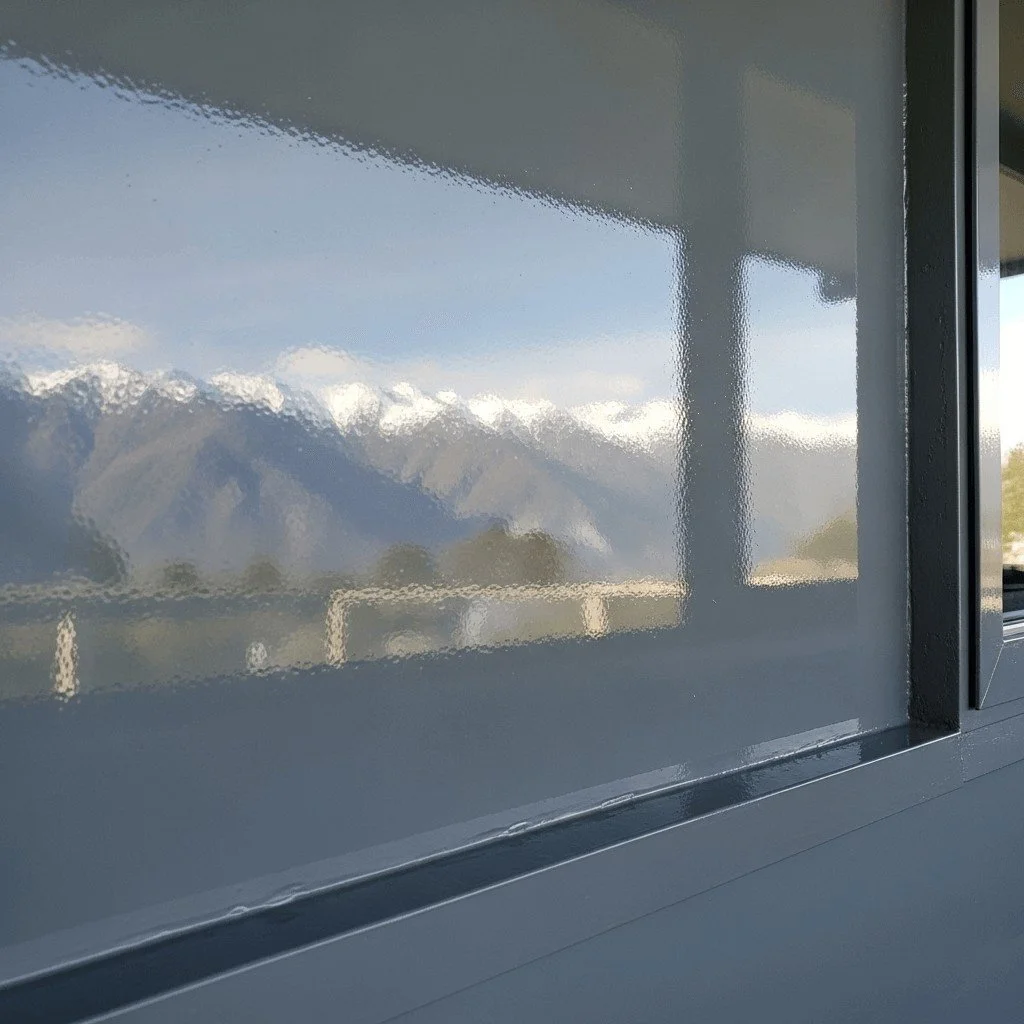
When it comes to enhancing the aesthetic and market value of a property, especially in the picturesque region of Canterbury, the role of GIB stopping cannot be overstated. High-quality GIB stopping lays the essential groundwork for a superior paint finish, impacting the smoothness, evenness, and overall allure of the painted surface. The nuances of this process, often underestimated, are what elevate a renovation project from adequate to exceptional, ensuring that the finished interior walls befittingly reflect the picturesque scenery outside.
The GIB Stopping Process
The first critical step in the GIB stopping process involves the application of compound to cover joints between plasterboard sheets. This compound, once dried, forms a seamless base upon which further layers can be applied. Subsequent stages require meticulous sanding to achieve a perfectly even surface, poised to absorb paint evenly and uniformly. Each phase of GIB stopping intricately contributes to the final paint finish, reducing the risk of visible seams or depressions that can detract from the aesthetic quality and perceived value of a home.
Importance of Quality Materials and Techniques
Utilising premium materials and employing cutting-edge techniques in GIB stopping are fundamental for ensuring a flawless paint finish. High-grade compounds and tapes are essential to withstand the test of time, ensuring that the surfaces do not develop cracks or imperfections over time. Moreover, skilled technicians who understand the delicate balance of pressure and smooth application further bolster the efficacy of this process. Reuben Ellis Decorating leverages both quality materials and expert craftsmanship to deliver results that satisfy both functional and stylistic demands of Christchurch homeowners.
Effect on Home Value and Aesthetics
In the dynamic Canterbury property market, the visual and structural quality of a home's interior plays a pivotal role in its valuation. Well-executed GIB stopping enhances not just the visual appeal of a paint job but also the enduring protection of walls against moisture and temperature changes. This durability translates to a higher market value, making it a wise investment for homeowners considering selling. Furthermore, seamless finishes create an immediate visual impact, an essential aspect when targeting discerning buyers looking for their ideal Christchurch home.
Practical Real-World Examples
Consider a renovation scenario where a homeowner in Christchurch seeks to remediate a poor paint job done previously. By commencing with expert GIB stopping, the surface is optimised to reflect light evenly, obliterating any imperfections from past errors. Similarly, homeowners preparing properties for sale ensure they attract potential buyers by showcasing interiors where quality is visible at first glance. Such examples highlight the vital role of GIB stopping in episodic renovation and resale narratives.
How to Identify Quality GIB Stopping
Understanding what constitutes quality GIB stopping is crucial for homeowners aiming for a flawless paint finish. With an emphasis on its role throughout the Canterbury region, recognising the telltale signs of superior GIB stopping can make a dramatic difference in any project, from extensive renovations to small touch-ups.
Visual Indicators of Quality
The most immediate way to assess GIB stopping quality is by closely observing the wall surface. An expertly stopped wall will appear uniformly smooth, with no visible seams, joints, or uneven textures. In Christchurch homes, where natural light can highlight imperfections, achieving this seamless surface is particularly important. Ensure that there are no visible cracking or bubbling, which might indicate improper application or drying processes; such issues will inevitably mar the final paint finish.
Importance of Professional Assessment
While visual inspection provides a quick assessment, engaging a professional for a thorough evaluation ensures any less obvious issues are identified. Experts, like those at Reuben Ellis Decorating, employ precise tools and techniques to assess GIB stopping, guaranteeing that it meets the highest standards needed before painting commences. This professional insight is invaluable, especially if preparing homes for sale in Canterbury, where the housing market demands high standards for both buyers and sellers.
Material Quality and Technique
A critical, yet often overlooked, aspect lies in the materials and methods used in GIB stopping. Quality compounds that combine durability and flexibility are necessary for a long-lasting finish that resists cracking and movement-induced stress. Furthermore, special attention to the application method—using feathering techniques and ensuring even drying conditions—can significantly impact the ultimate visual result, a detail that contextual assessments in different areas of the house can reveal.
Contextual Considerations for Homeowners
When planning renovations or fixes, homeowners in the Canterbury region should consider how GIB stopping interacts with environmental factors specific to their home. For instance, humidity aversion, typical in Canterbury, affects drying time and final quality. Those preparing properties for sale should opt for high-quality stopping to stand out in the competitive market, enhancing appeal to prospective buyers.
This comprehensive approach to evaluating GIB stopping lays the groundwork for exceptional paint finishes. As we look deeper into the specifics, Section 4 will delve into why you should choose Reuben Ellis Decorating for your decorating needs, focusing on expert handlers who can transform your home’s aesthetic through unparalleled craftsmanship.
Why Choose Reuben Ellis Decorating for Top-Notch Gib Stopping and Paint Finish
When it comes to enhancing the visual appeal of your home, it’s essential to rely on experts who understand every nuance of the job. This is precisely where Reuben Ellis Decorating shines, particularly for residents in Canterbury, New Zealand. Our team of highly skilled professionals ensures that your GIB stopping and paint finish not only meets but exceeds expectations.
Experienced Local Experts
With years of experience navigating the unique challenges of Canterbury's diverse property styles and climatic conditions, Reuben Ellis Decorating brings unrivaled local expertise to the table. Our knowledge extends beyond mere decoration to an in-depth understanding of how GIB stopping influences the final paint finish. We utilize materials and techniques specifically suited to the region, ensuring that our work withstands the test of time and enhances the aesthetic appeal of your home.
What Sets Us Apart
What truly differentiates Reuben Ellis Decorating from others is our commitment to quality and our customer-centric approach. We focus on precision and attention to detail, employing a methodical approach to GIB stopping that is tailored to every project. This ensures a smooth, flawless surface that amplifies the beauty of the paint finish. Our numerous satisfied clients across Canterbury vouch for our reliability and professionalism, marking us as a trusted name in the industry. To learn more about the detail of our work, check out our interior painting services.
Moreover, our team maintains open lines of communication with clients throughout the project, ensuring transparency and shared satisfaction with the process and results. We believe that every homeowner deserves the best, and we are committed to delivering just that.
In our next section, we will delve into "Frequently Asked Questions," addressing common queries about GIB stopping and paint finish to further inform and reassure our readers.
Frequently Asked Questions
What is GIB stopping and why is it important for my paint finish?
GIB stopping involves taping, plastering, and sanding wall surfaces to create a smooth, even layer essential for a flawless paint finish. Quality GIB stopping prevents defects like bubbling and peeling, significantly influencing the overall aesthetics and longevity of your paint in Canterbury homes.
How does poor GIB stopping affect my paint finish?
Poor GIB stopping can lead to visible imperfections, such as cracks and uneven surfaces, which become apparent after painting. This subpar preparation not only diminishes the appearance of your walls but may also result in costly future repairs due to paint failure under Canterbury's variable climate.
What should I look for in a good GIB stopping service?
A quality GIB stopping service will adhere to Level 4 standards, involving detailed inspection and preparation processes. You'll want to ensure thorough taping, consistent plastering, and meticulous sanding are carried out to achieve a seamless base for painting.
How much does professional GIB stopping cost in New Zealand?
In New Zealand, the cost of professional GIB stopping can range from $5–$7/m² for basic finishes to $12–$15/m² for premium finishes. Opting for a premium finish is recommended for high-traffic or highly visible areas, as it delivers a flawless appearance and increased durability.
Why should I invest in high-quality GIB stopping before painting?
Investing in high-quality GIB stopping ensures a superior paint finish that enhances your home's visual appeal and market value. It also helps avoid common defects and future maintenance costs, making it a sound investment for Canterbury homeowners.
Can GIB stopping be a DIY project?
While some homeowners may attempt DIY GIB stopping, achieving a professional, seamless finish requires skill and expertise. Mistakes can lead to visible flaws in your paint work, suggesting that professional services, such as those offered by local experts in Canterbury, are advisable for optimal results.
How can Canterbury's climate affect my painted walls?
The variable climate in Canterbury, characterised by humidity and temperature fluctuations, can cause paint to crack and peel if the underlying GIB stopping is not properly executed. High-quality GIB stopping ensures your painted walls withstand these environmental changes.
When should I consider GIB stopping in my renovation project?
GIB stopping should be considered early in your renovation project, before painting begins. Implementing it early ensures a perfect paint base, integral for achieving durable, aesthetically pleasing results that align with your renovation goals.
