
Deck Oil vs Deck Stain: Which is Best for NZ?
Quick Answer: For most New Zealand decks, deck stain offers better UV protection and longer-lasting colour, while deck oil provides a more natural look and easier reapplication. The best choice depends on your timber type, desired appearance, and how much maintenance you're willing to do. Pine decks typically benefit from stain's added protection, while hardwoods like kwila often look better with oil.
Understanding the Difference: Oil vs Stain
If you've started researching how to protect your deck, you've likely come across two main options: deck oil and deck stain. While they might seem similar at first glance, they work quite differently—and understanding these differences will help you make the right choice for your outdoor space.
What is Deck Oil?
Deck oil is a penetrating finish that soaks into the timber rather than sitting on top of it. Think of it like moisturiser for your deck—it nourishes the wood from within, helping to prevent it from drying out and cracking.
Key characteristics of deck oil:
- Penetrates into the wood fibres
- Enhances natural timber grain and colour
- Creates a matte or low-sheen finish
- Requires more frequent reapplication (typically every 6-12 months)
- Easier to maintain—no sanding needed between coats
- Available in clear or lightly tinted formulations
What is Deck Stain?
Deck stain contains pigments that provide colour and UV protection. Modern stains range from semi-transparent (showing some wood grain) to solid (completely hiding the grain). They form a protective layer on the timber surface while also penetrating to some degree.
Key characteristics of deck stain:
- Contains pigments for colour and UV blocking
- Offers stronger protection against sun damage
- Lasts longer between applications (typically 2-4 years)
- Available in a wide range of colours
- May require light sanding before recoating
- Better at hiding imperfections in older timber
The Fundamental Difference
Here's the simplest way to think about it: oil feeds the wood, while stain protects and colours it. Oil is ideal when you want to showcase beautiful natural timber, while stain is better when you need maximum durability or want to change your deck's colour.
In New Zealand's harsh UV environment, this distinction matters. Our intense summer sun can grey and damage unprotected timber quickly—sometimes within just a few months. Both oil and stain help combat this, but in different ways and with different maintenance requirements.
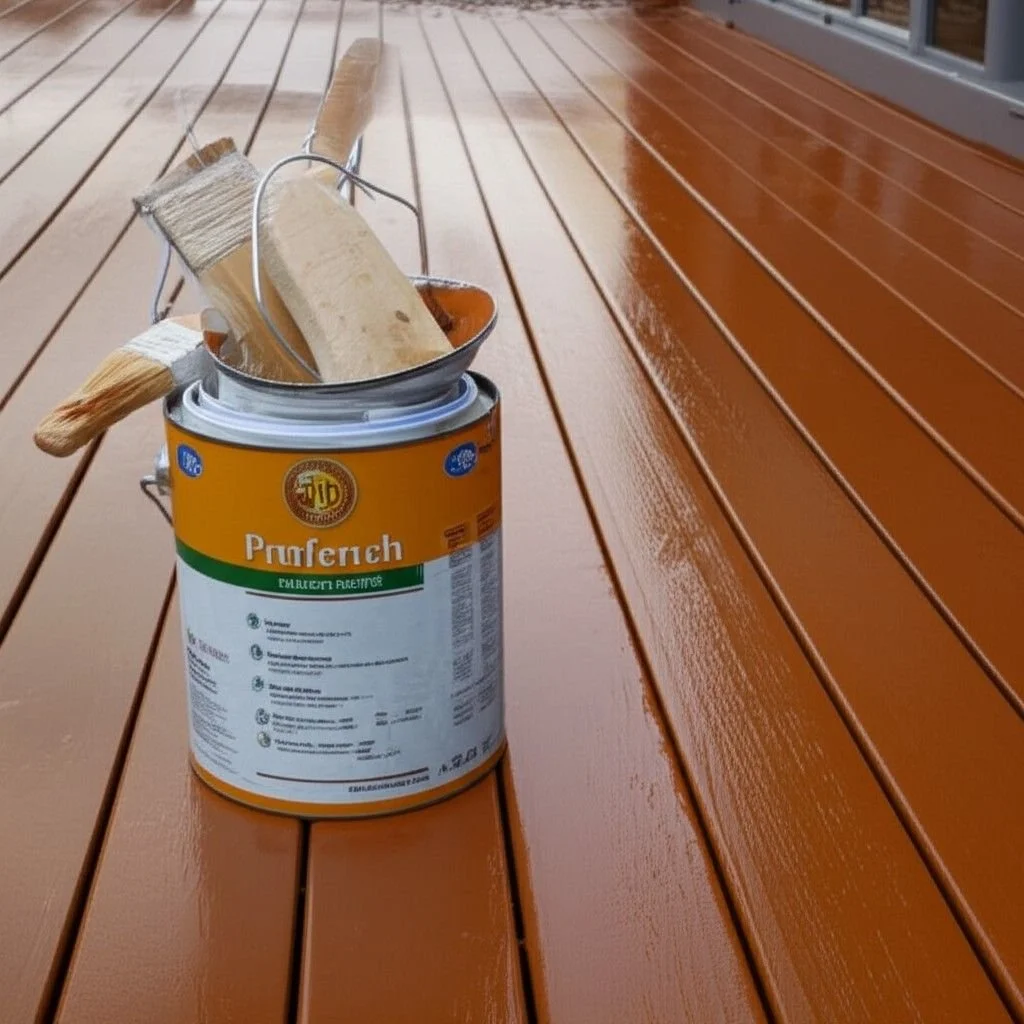
Pros and Cons for Canterbury's Climate
Canterbury presents some unique challenges for deck maintenance. We get intense summer UV, frosty winters, the occasional nor'wester bringing dust and debris, and coastal areas deal with salt-laden air. Here's how oil and stain stack up in our local conditions.
Deck Oil in Canterbury
| Pros | Cons |
|---|---|
| Natural appearance suits heritage and character homes | Needs reapplication every 6-12 months |
| Easy to maintain—just clean and recoat | Less UV protection than pigmented stains |
| Won't peel or flake | Timber will grey faster without tinted oil |
| Breathes with the wood—good for damp conditions | May need more frequent application in sunny, exposed areas |
| Ideal for winter application with proper additives | Clear oils offer minimal colour retention |
Best for: Sheltered decks, hardwood timber, homeowners who enjoy regular maintenance, and those wanting a natural aesthetic.
Deck Stain in Canterbury
| Pros | Cons |
|---|---|
| Superior UV protection—essential for north-facing decks | May peel if applied incorrectly or over old coatings |
| Lasts 2-4 years between applications | Requires more thorough prep work |
| Wide colour range to match your home | Can look artificial on some timber types |
| Hides greying and minor timber defects | Harder to change colour later |
| Better protection against Canterbury's temperature swings | Some stains can become slippery when wet |
Best for: Exposed, sun-drenched decks, softwood timber like pine, homeowners wanting lower maintenance, and decks needing colour restoration.
Canterbury-Specific Considerations
A few local factors worth keeping in mind:
- Nor'westers: These hot, dry winds can accelerate drying and cause products to cure too quickly. Avoid application on windy days.
- Frost: Winter application is possible with professional-grade products and additives, but DIY attempts often fail in cold conditions.
- Coastal exposure: Properties near Sumner, New Brighton, or other coastal areas benefit from stain's additional protection against salt air.
- Altitude: Higher areas around the Port Hills receive more intense UV—factor this into your decision.
Best Choice by Timber Type
The timber your deck is made from significantly influences whether oil or stain is the better option. Different woods have different characteristics—some are naturally durable and oily, while others need more help to withstand the elements.
Pine (H3.2 and H4 Treated)
Pine is the most common decking timber in New Zealand, and it generally benefits from deck stain. Here's why:
- Pine lacks natural oils and needs external protection
- The grain is relatively plain—stain adds visual interest
- Treatment chemicals can cause uneven oil absorption
- Stain's UV blockers prevent the treated wood from greying
Our recommendation: Semi-transparent or semi-solid stain in a natural timber tone. This provides protection while still showing some wood character.
Kwila (Merbau)
Kwila is a popular hardwood choice, and it typically looks best with deck oil:
- The rich, natural colour deserves to be showcased
- Kwila has natural oils that work well with penetrating finishes
- The dense grain doesn't absorb stain as evenly
- Oil enhances the reddish-brown tones beautifully
Our recommendation: Tinted penetrating oil to enhance and protect the natural colour. Reapply annually to maintain that rich appearance.
Vitex
This premium hardwood can go either way, but many prefer oil:
- Naturally durable and dense
- Beautiful grain pattern worth displaying
- Responds well to quality penetrating oils
- Stain can mask its natural beauty
Our recommendation: Clear or lightly tinted oil, reapplied regularly to prevent greying.
Macrocarpa
A locally grown option that works well with either finish:
- Attractive grain that looks good with oil
- Less dense than tropical hardwoods—may benefit from stain's protection
- Can grey quickly without UV protection
Our recommendation: For sheltered decks, use oil. For exposed decks, consider a semi-transparent stain for added durability.
Older or Weathered Timber
If your deck has seen better days, stain is usually the better choice:
- Pigments help hide greying, minor cracks, and discolouration
- Solid stains can give an old deck new life
- Oil tends to emphasise imperfections rather than hide them
However, proper preparation is essential. Old finishes, mould, and damaged wood need to be addressed before applying any new coating—otherwise you're just putting a bandage over the problem.
Quick Reference Table
| Timber Type | Recommended Finish | Key Reason |
|---|---|---|
| Pine (treated) | Stain | Needs UV protection, lacks natural oils |
| Kwila | Oil | Showcases natural beauty, dense grain |
| Vitex | Oil | Premium timber deserves natural finish |
| Macrocarpa | Either (stain if exposed) | Depends on sun exposure |
| Old/weathered deck | Stain | Hides imperfections, restores appearance |
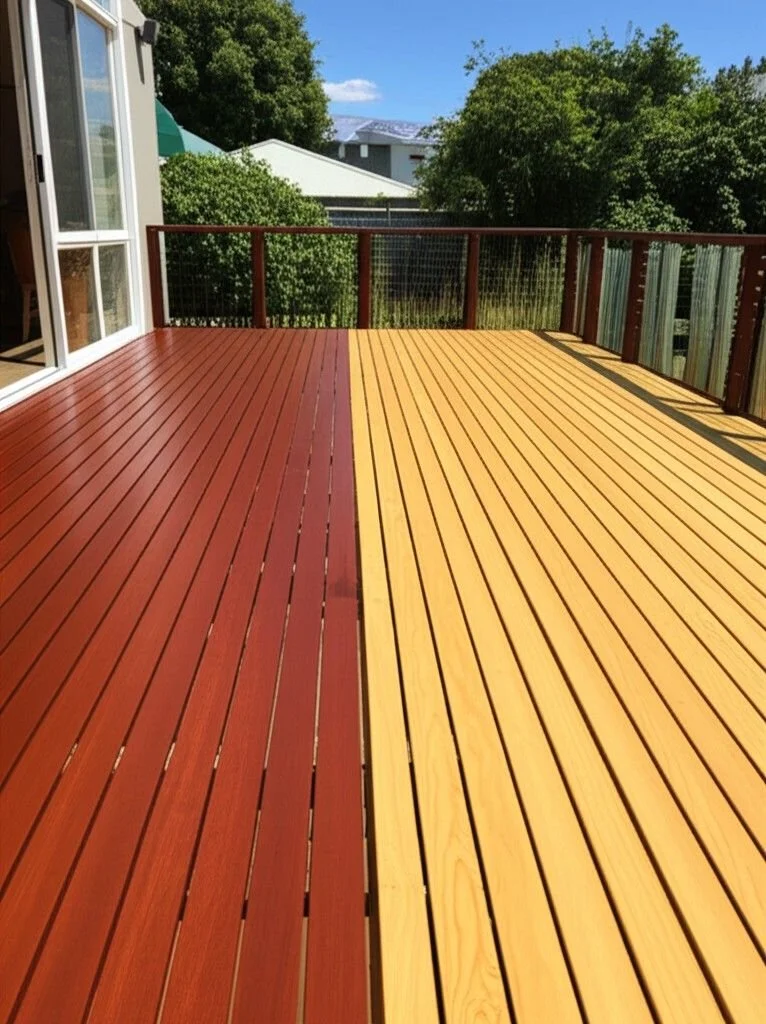
Why Choose Reuben Ellis for Your Deck
Whether you decide on oil or stain, the application process is just as important as the product itself. Poor preparation or incorrect application techniques can lead to peeling, blotching, and premature failure—wasting both time and money.
At Reuben Ellis Decorating, we've refinished countless decks across Christchurch and Canterbury. We understand the local conditions and know which products perform best in our environment. Our professional deck staining service covers everything from initial assessment to final coat—including the crucial preparation work that DIY approaches often skip.
What Sets Us Apart
- Local expertise: We know Canterbury's climate and which products hold up to our conditions
- Proper preparation: We clean, sand, and prep your deck properly—because a great finish starts with great prep
- Quality products: We use professional-grade oils and stains, not hardware store basics
- Winter capability: With professional additives, we can work through cooler months when DIY isn't practical
- Honest advice: We'll tell you whether your deck needs oil, stain, or something else entirely
Not Sure Which Option is Right?
Every deck is different. The best finish depends on your timber type, the deck's exposure, its current condition, and your maintenance preferences. We're happy to take a look and give you honest, no-obligation advice.
Get in touch for a free assessment. We'll inspect your deck, discuss your options, and provide a clear quote—no surprises, no pressure.
Ready to restore your deck?
Contact Reuben Ellis Decorating for expert deck staining and oiling in Christchurch and Canterbury.
Or call us: 027 777 9543
Frequently Asked Questions
Can I apply deck oil over old stain?
Generally, no. Oil needs to penetrate the timber, and old stain creates a barrier that prevents this. You'll typically need to strip the old stain first, or apply a fresh stain instead. We can assess your deck and recommend the best approach.
How long does deck stain last in Christchurch?
Quality deck stain typically lasts 2-4 years in Canterbury conditions, depending on sun exposure and foot traffic. North-facing decks in full sun may need attention sooner, while sheltered decks can last longer. Semi-transparent stains generally need recoating more often than solid stains.
Is it better to oil or stain a pine deck?
For pine decks in New Zealand, stain is usually the better choice. Pine lacks natural oils and has a relatively plain grain, so it benefits from stain's UV protection and added colour. Stain also helps prevent the treated timber from greying prematurely.
Can you stain a deck in winter in NZ?
Yes, but it requires professional-grade products and additives designed for cold-weather application. DIY attempts in winter often fail because standard products won't cure properly below 10°C. Professional applicators have access to winter-grade formulations that allow work to continue through cooler months.
How often should I oil my kwila deck?
Kwila decks typically need oiling every 6-12 months to maintain their rich colour and prevent greying. The frequency depends on sun exposure—a shaded deck may only need annual treatment, while a sun-drenched deck might need oiling twice a year.
What's the difference between deck stain and deck paint?
Deck stain penetrates into the timber and allows the wood to breathe, while paint sits entirely on the surface. Stain is generally preferred for decks because it flexes with the wood and won't peel. Paint can crack and flake on horizontal surfaces that experience foot traffic and weather exposure.
