
Exterior House Colour Schemes NZ: 2026 Trends& Inspiration
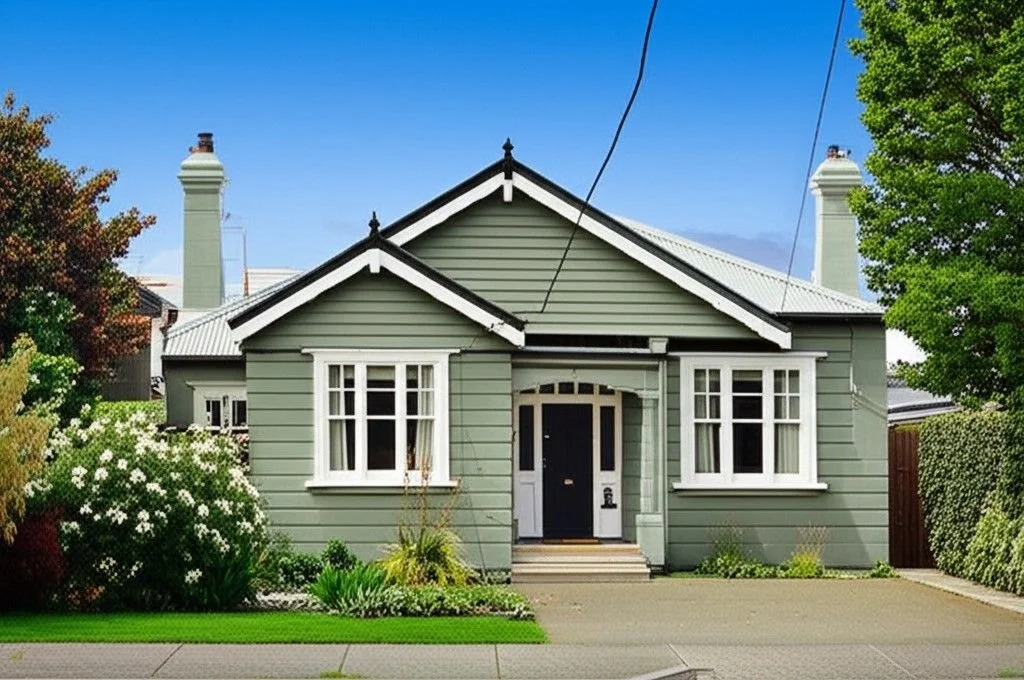
Quick Answer: The most popular exterior house colour schemes in New Zealand for 2026 centre around warm earth-based neutrals, rich greens, and soft heritage palettes. Resene and Dulux lead the market with colours like Resene Half Delta, Dulux Remote Control (warm green), and Resene Tana. Dark exteriors remain popular but are shifting from pure charcoal to deep greens and warm greys.
Trending NZ Exterior Colour Palettes for 2026
New Zealand homeowners are moving away from the stark black-and-white contrasts that dominated the early 2020s. The 2026 exterior colour forecast is all about warmth, natural connection, and understated sophistication. Here are the palettes driving the trend.
Warm Greens: The Standout Trend
Green is the undisputed colour of the moment for NZ exteriors. From soft sage on a Canterbury villa to deep moss on a modern build, green connects homes to the landscape without looking dated. Dulux Remote Control (a warm green) works on both traditional and contemporary homes, while Resene Ngataringa Bay offers a softer sage option for trims and accents.
For a bolder statement, Dulux Deep Brunswick Green and Resene Castlecliff (a grey-green charcoal) create striking dark exteriors that still feel natural rather than industrial.
Warm Neutrals Replace Cool Greys
The cool grey trend has given way to warmer alternatives. Think greige, stone, sand, and tan tones that absorb light differently through the day. Resene Tea and Resene Tana are popular warm neutral choices, while Dulux Te Aroha offers a natural grey-green that bridges the gap between neutral and colour.
These warmer tones are particularly effective in Canterbury, where our cooler southerly light can make pure greys look flat and cold.
Top Colour Combinations: Body, Trims & Accents
| Scheme Style | Body Colour | Trim Colour | Accent / Door | Best For |
|---|---|---|---|---|
| Classic Green | Dulux Remote Control | Crisp white | Natural timber or black | Villas, bungalows |
| Dark & Dramatic | Resene Castlecliff | Resene Mt Aspiring Quarter | Resene Ngataringa Bay | Modern builds |
| Soft Heritage | Resene Lyttelton | Resene Mt Aspiring / Okarito | Deep charcoal door | Heritage homes |
| Warm Neutral | Dulux White Swan | Dulux Lexicon Quarter | Dulux Hagley Park (door) | Weatherboard homes |
| Coastal Blue | Resene Mt Hikurangi | Resene Okarito / St Clair Half | Navy or teal door | Coastal properties |
The Bold Door Trend
Even if you keep your exterior colour scheme conservative, a bold front door is one of the easiest ways to add personality. In 2026, popular door colours include deep navy (Porter's Paints Newport Blue), rich burgundy, soft coral, and classic black. The front door acts as a focal point that can be repainted affordably when trends shift.
Best Colours for Different NZ House Styles
Not every colour scheme works on every house. The architecture of your home should guide your palette, and in Canterbury we have a wide mix of styles from pre-earthquake heritage villas to modern post-rebuild homes.
Villas and Heritage Homes
Canterbury villas with ornate fretwork, turned posts, and detailed joinery deserve colour schemes that highlight their character. Soft neutrals like Dulux White Swan on weatherboards allow decorative features to stand out, especially when fretwork is picked out in a crisper white like Dulux Lexicon Quarter.
Resene Lyttelton (a soft grey with subtle green undertone) is a strong choice for heritage homes. It reads as timeless rather than trendy, and pairs well with traditional white trims and a darker feature door. For heritage-listed properties, check with Christchurch City Council before finalising colours, as some post-earthquake rebuild covenants include exterior appearance guidelines.
Bungalows and Character Homes
The 1920s-1950s bungalow is one of Canterbury's most common house styles. These homes suit the full spectrum of greens, from cool mint through to warm olive. A popular approach is a muted body colour (Resene Half Delta or Dulux Cardrona) with white window frames and a contrasting front door in sage green or deep red.
Bungalows with original brick detailing look best when paintwork complements rather than competes with the masonry, so warmer neutrals tend to work better than cool greys.
Modern and Contemporary Builds
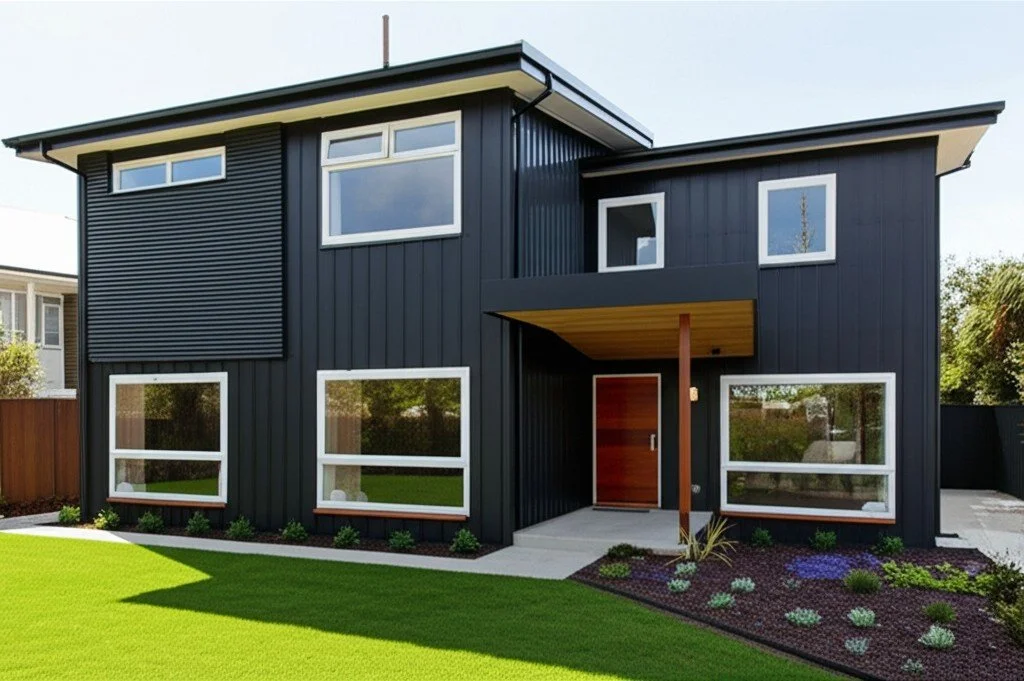
Christchurch's post-earthquake rebuild introduced thousands of modern homes with clean lines, mixed cladding, and flat rooflines. These homes suit bolder colour choices. Dulux Remote Control (warm green) makes a statement on flat-panel cladding, while Resene Castlecliff creates a sophisticated dark exterior.
For homes with multiple cladding materials (weatherboard, brick, metal), keep the palette to two or three colours maximum. A common approach is a dark main cladding colour, lighter secondary cladding, and white or black window frames.
Colour Schemes by House Style: At a Glance
| House Style | Recommended Body | Recommended Trim | Avoid |
|---|---|---|---|
| Villa / Heritage | Soft neutrals, heritage greens | Crisp white, cream | Stark black, neon accents |
| Bungalow | Warm greens, muted earth tones | White, off-white | Cool greys (clash with brick) |
| Modern Build | Dark greens, charcoals, bold colours | Black or white frames | Too many colours (3+ max) |
| Weatherboard Cottage | Dulux White Swan, warm whites | Matching white, soft grey | Dark colours on thin boards |
| Coastal Home | Blue-greys, soft whites | White, natural timber | Dark colours (salt/UV damage) |
How to Choose the Right Exterior Colour Scheme
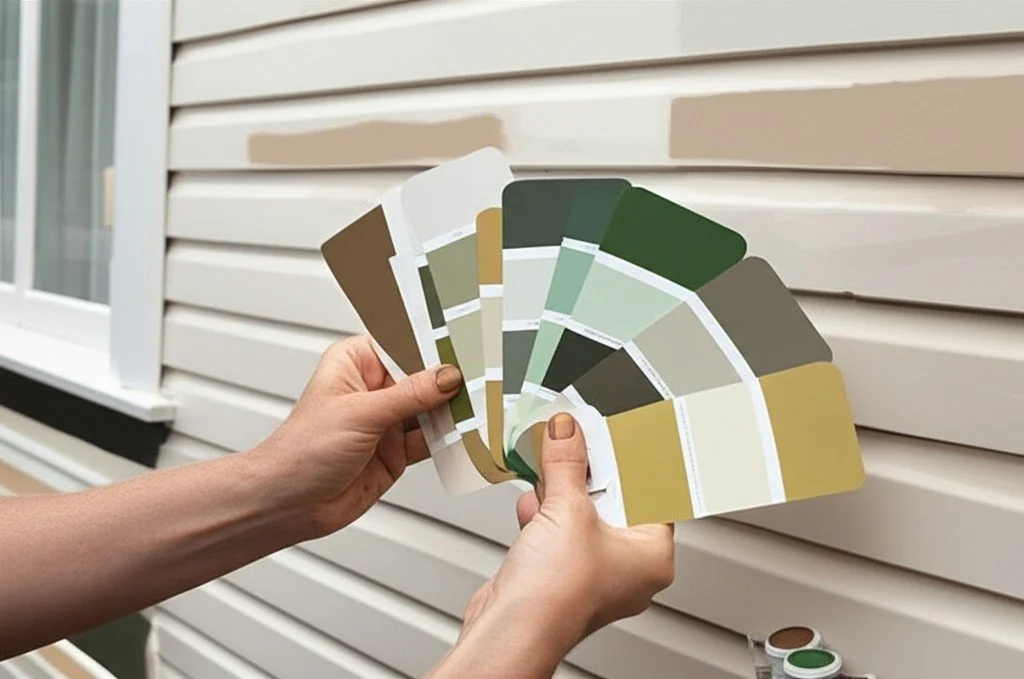
Picking exterior colours from a small paint chip is notoriously unreliable. Colours look completely different at scale, in natural light, and against your roofline and landscaping. Here is a practical process that avoids expensive mistakes.
Start With What You Cannot Change
Your roof colour, brick or stone features, concrete paths, and neighbouring houses all influence how your chosen colours will look. A warm-toned roof (terracotta, brown) clashes with cool grey walls. A dark charcoal roof works with almost any body colour but demands a lighter palette if the house is south-facing.
Test at Scale
Both Resene and Dulux offer A4-sized testpots and peel-and-stick swatches. Paint at least a 1m x 1m section on two walls: one that catches morning sun and one that faces south. View the samples at different times of day. Canterbury's afternoon nor'west light is warm and golden, while morning southerly light can be cold and blue. A colour that looks perfect at midday may appear washed out or murky at other times.
Consider Heat Absorption
Dark exterior colours absorb significantly more heat than light ones. In Canterbury's variable climate, this matters for both comfort and paint longevity. If you want a dark exterior, look for Resene CoolColour technology, which reflects more infrared radiation than standard dark paints. This reduces surface temperature by up to 10 degrees, extending paint life and reducing warping on timber cladding.
Work With Three Colours Maximum
The most successful exterior schemes use a maximum of three colours:
- Body colour (60-70% of the exterior) - your dominant shade
- Trim colour (20-30%) - window frames, fascia, bargeboards
- Accent colour (5-10%) - front door, shutters, or a feature element
Keeping to this ratio prevents a busy or disjointed appearance. If your home has brick or stone features, treat those as one of your three colours and work around them.
Dark vs Light: Practical Considerations
| Factor | Light Colours | Dark Colours |
|---|---|---|
| Heat absorption | Low - stays cooler | High - use CoolColour paint |
| UV fading | Less noticeable fading | Fading shows faster |
| Dirt visibility | Shows dirt more | Hides dirt, shows dust |
| House size perception | Makes house appear larger | Makes house appear smaller |
| Maintenance frequency | Every 8-12 years | Every 6-8 years |
| Best orientation | Any | South-facing walls ideal |
Use Free Digital Tools
Before committing, use Resene EzyPaint or the Dulux Colour Visualiser app to upload a photo of your home and test colour combinations digitally. These tools are not perfectly accurate but help narrow your choices before buying testpots. Resene also offers a free colour consultancy service through their ColorShops, which is worth taking advantage of for larger projects.
Why Choose Reuben Ellis Decorating
Choosing the right colour scheme is only half the job. The quality of preparation and application determines whether your exterior paint lasts three years or twelve. Our Christchurch exterior painting team works with homeowners across Canterbury to deliver results that look outstanding and stand up to our local conditions.
What Sets Us Apart
- Master Painter Gold Award recognition: Our workmanship has been recognised at the highest level by Master Painters New Zealand, reflecting our commitment to preparation, product knowledge, and finish quality.
- Canterbury weather expertise: We understand how nor'westers, frost, and coastal salt affect different cladding types and paint systems. We recommend products and application methods based on your home's specific exposure.
- Colour guidance included: We help clients navigate colour choices with testpot recommendations, on-site colour assessments, and advice on how light, landscaping, and surrounding properties will influence the final result.
- 5-Point Quality Guarantee: Every exterior project is backed by our guarantee covering preparation, product quality, application, cleanup, and final inspection.
Frequently Asked Questions
What are the most popular exterior house colours in NZ right now?
Warm greens (sage, olive, moss), soft warm neutrals (greige, stone, sand), and dark charcoal-greens dominate in 2026. Cool greys have fallen out of favour in favour of warmer alternatives like Resene Tana and Dulux Te Aroha.
How do I choose an exterior colour scheme for my villa?
Start with a soft neutral or heritage green for the body, use crisp white for trims and decorative features, and add a bold accent on the front door. Test colours at scale on two different walls and view them in morning and afternoon light before committing.
Do dark exterior colours fade faster in Canterbury?
Dark colours absorb more UV and heat, which accelerates fading and can cause timber movement. Resene CoolColour technology reduces heat absorption by up to 10 degrees and extends the life of dark exterior paint. It is strongly recommended for any dark-coloured exterior in Canterbury.
How often should I repaint my exterior in Christchurch?
A quality exterior paint job in Canterbury typically lasts 8-12 years for light colours and 6-8 years for dark colours. Exposed north and west-facing walls may need attention sooner due to UV and nor'west wind exposure.
Are there restrictions on exterior colours in Christchurch?
Some heritage-listed properties and newer subdivisions have covenants or resource consent conditions that specify approved colour palettes. Check with Christchurch City Council or your subdivision's body corporate before finalising your scheme.
Should I match my roof colour when choosing exterior paint?
Your roof colour is one of the first things to consider. Warm-toned roofs (terracotta, brown) work best with warm body colours, while grey or dark roofs are more versatile. Avoid pairing a warm roof with cool grey walls, as the clash is noticeable.
